
Real industry background
WHO continues to support countries in selecting in vitro diagnostics that fit local health systems. The goal is not simply to list more assays, but to make reliable results available at the right time for clinicians, primary-care teams and public-health programs.
From list to implementation
Customers now ask more than whether the test line is visible. They review sample type, storage conditions, time to result, lot-to-lot consistency, IFU clarity and whether the documentation can support local registration or tender review.
Impact on IVD suppliers
Accessibility means products must work in real conditions: long transport routes, varied temperatures, mixed operator training and demand for stable lead times. Rapid-test suppliers need to deliver packaging, IFU, QC files and technical support as one package.
Safheal perspective
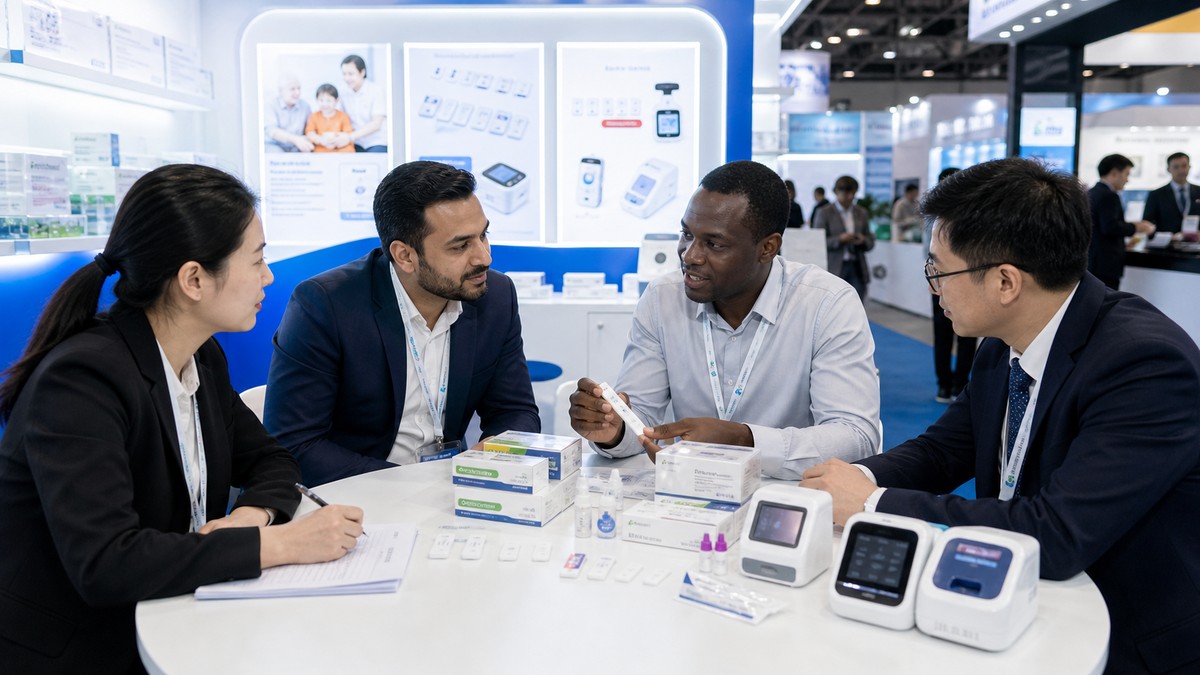
Across infectious disease, human POCT, veterinary diagnostics, drug-of-abuse testing and raw materials, Safheal should present complete solutions rather than only a cassette or strip. Stable platforms, clear files and application-focused images build more trust than generic promotion.
Global IVD customers need evidence that products are usable, deliverable, registrable and trainable, not decorative concept graphics.